Related

Fast Wife. Slow Husband. Parkinson’s Had No Idea What It Was Walking Into
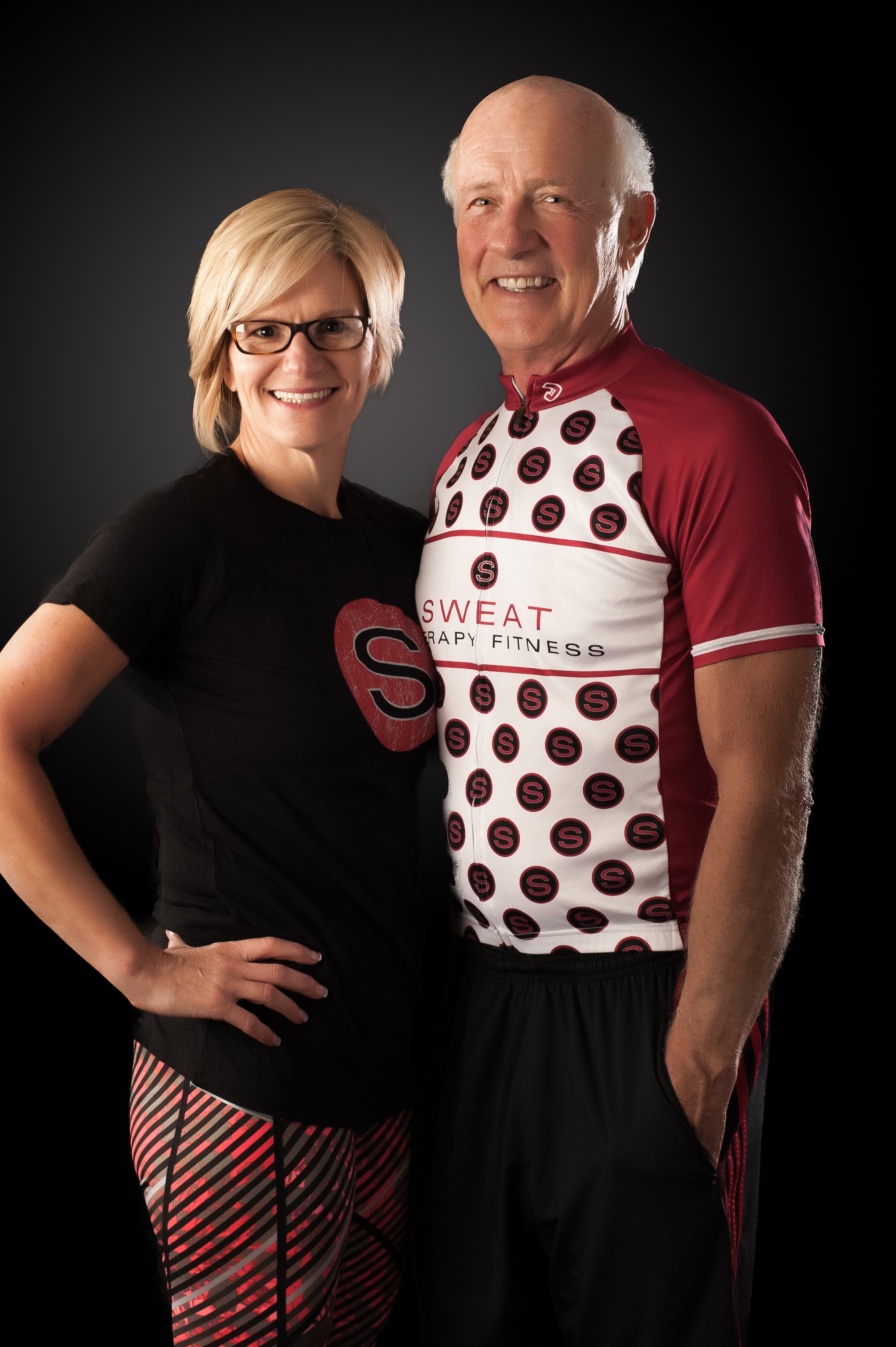
There’s something almost comical about the fact that in our marriage… I’ve always been fast and Brian has always been slow.
I walk fast.
I talk fast.
I think fast.
I move through grocery stores like I’m training for an Olympic event.
Brian?
Brian strolls.
He has never once in our entire marriage felt the need to “pick up the pace.” If there’s a shortcut, he’ll miss it. If there’s a fast lane, he somehow ends up behind someone paying with a check. And if we’re walking into a restaurant together, there’s a very good chance I’m already seated before he reaches the door.
For years, this was just…us. Our running joke. I’m halfway across the parking lot and Brian’s still locking the car. And honestly? I never thought much about it. Until Parkinson’s disease moved into our lives in a very real way.
Because somewhere along the journey, something shifted. What used to be personality suddenly carried a little more weight. What used to be funny sometimes became frustrating. What used to feel harmless started carrying fear underneath it.
And if I’m being truthful, that transition can mess with your emotions in ways you don’t expect.
When your spouse is diagnosed with Parkinson’s, every pause suddenly feels louder. Every slower movement catches your attention. Every hesitation makes your brain wonder:
“Is this Parkinson’s…or just Brian being Brian?”
The truth is, sometimes we honestly don’t know.
That’s one of the hardest parts about Parkinson’s disease. It doesn’t arrive all at once. It sneaks in quietly. It blurs the lines between aging, personality, exhaustion, stress, and symptoms. It makes you question things you never questioned before.
And somewhere in the middle of all of that, you still have to figure out how to be husband and wife—not just patient and care partner.That part matters.A lot.
Because Parkinson’s can very easily try to steal the normalcy from a relationship. It can turn every interaction into an assessment. Every outing into logistics. Every conversation into medications, appointments, symptoms, and schedules.
But we’ve learned something important on this journey: You have to keep laughing and you can’t quit, run, or hide. Because if you do, then Parkinson’s gets too much power.
So yes…there are still moments where I’m ten steps ahead of Brian walking into Publix and I turn around and say:
“Could you walk a little faster please”?
But Brian has always been patient with my impatience so he just laughs, because that was our life long before Parkinson’s ever showed up.
But there are also moments now where I intentionally slow down. Not because I have to, but because I want to. Because love sometimes looks like matching someone else’s pace. And maybe that’s what this journey has taught me most.
Parkinson’s disease has a way of forcing people to notice the speed of life. It reminds you that not everyone moves through the world the same way. Some people rush. Some people pause. Some people need a little more time to process, move, balance, or simply get where they’re going.
And maybe the people who love them need to learn to breathe in those spaces instead of fighting them.
At the Parkinson’s Disease Trailblazers of Sweat Therapy Fitness, we see this every single day.
We see spouses learning patience.
We see couples learning teamwork.
We see people grieving changes while still finding joy.
We see strength showing up in ways that have nothing to do with muscles.
And we also see real hope. Because movement matters, Community matters,Laughter matters.Connection matters.
Parkinson’s may slow some things down, but it does not take away purpose, love, humor, or the ability to keep living a meaningful life.
So if you ever see Brian and me out somewhere and I’m walking twenty feet ahead of him…don’t panic.
It might be Parkinson’s or it might just be that after all these years, we’re still exactly who we’ve always been: one fast, one slow, and somehow still moving forward together.